
If you’ve ever turned the key on a freezing Illinois morning only to hear your Powerstroke diesel struggle to start, or worse, get nothing but the sound of the starter cranking, you’re not alone. Cold weather creates specific challenges for diesel engines, especially Powerstroke models. Unlike gasoline engines that rely on spark plugs, diesels depend on compression heat to ignite fuel, a process that becomes significantly harder when temperatures drop below freezing.
At Hale’s Automotive in Marion, IL, our ASE-certified technicians specialize in diagnosing and preventing Powerstroke cold start issues. From weak glow plugs and gelled fuel to sluggish batteries and thickened oil, we’ll explain the common culprits behind winter diesel problems and provide practical solutions to keep your truck running all season long. Our mission is your peace of mind, and that starts with ensuring your Powerstroke fires up every time you need it.
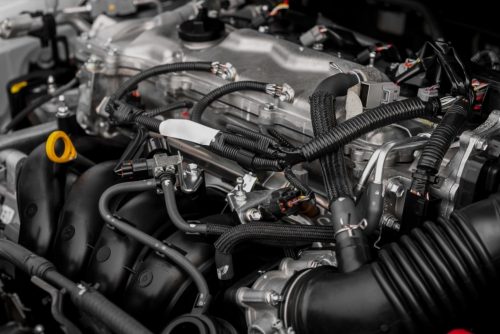
Diesel engines operate differently from gasoline engines, which makes them more vulnerable to cold temperatures.
Unlike gasoline engines that use spark plugs, diesel engines rely on compression and heat to ignite fuel. When temperatures drop, this process becomes much harder. Cold air is denser and absorbs more heat during compression, making it difficult for the fuel to reach the ignition temperature it needs.
Glow plugs are heating elements that warm the combustion chamber before starting. In Powerstroke diesels, these components are critical for cold-weather operation. When glow plugs weaken or fail, your engine simply doesn’t have enough heat to ignite the fuel on cold mornings.
Powerstroke engines, while powerful and reliable, have specific design characteristics that make them sensitive to cold weather. The high-pressure fuel injection system and turbocharger components can be especially affected by temperature changes, fuel quality, and battery performance.
Experiencing Powerstroke cold start issues? Visit Hale’s Automotive at 408 North Court Street, Marion, IL 62959, or call us at 618-993-2287 to schedule your diesel inspection.
Several factors contribute to why your Powerstroke struggles when temperatures drop.
Glow plugs have a limited lifespan and gradually lose their heating capacity. In Southern Illinois winters, even one failed glow plug can make starting difficult. When multiple glow plugs fail, your Powerstroke may not start at all in freezing conditions.
Signs of glow plug failure include:
Diesel fuel contains paraffin wax that solidifies when temperatures drop below 15-20°F. This process, called gelling, clogs fuel filters and prevents fuel from reaching the engine. Powerstroke’s high-pressure fuel system is particularly sensitive to restricted fuel flow.
Fuel gelling warning signs:
Cold weather dramatically reduces battery capacity. A battery that performs well in summer may lose 30-50% of its cranking power when temperatures drop below freezing. Powerstroke diesels require substantial cranking power to build the compression needed for ignition, making weak batteries a primary cause of cold start failures.
Motor oil becomes thicker and more viscous in cold temperatures. This increased thickness makes it harder for your starter to turn the engine over and delays oil circulation to critical components. Using the wrong oil viscosity for winter conditions compounds this problem.
Cold weather can affect various sensors and components in your Powerstroke’s air intake system:
Taking proactive steps before winter arrives can save you from frustrating mornings and expensive repairs.
Our technicians at Hale’s Automotive test glow plugs as part of comprehensive diesel maintenance. We check resistance levels and heating performance to identify weak plugs before they fail. Replacing glow plugs before winter ensures reliable cold starts throughout the season.
Switching to winter-blend diesel fuel helps prevent gelling. These blends contain additives that lower the fuel’s gel point. We recommend:
Battery testing should happen every fall before cold weather arrives. We check:
Powerstroke diesels benefit from batteries rated at or above the manufacturer’s specifications. Sometimes upgrading to a higher CCA rating provides extra reliability in extreme cold.
Using the correct oil viscosity for winter conditions helps your Powerstroke start more easily and protects engine components. We typically recommend:
Block heaters warm the engine block and coolant, making cold starts significantly easier. Even a few hours of preheating can make the difference between starting and not starting on frigid mornings. Ask our team about block heater options for your Powerstroke.
When cold weather threatens to leave you stranded, you need diesel specialists who understand Powerstroke engines inside and out.
Our diesel expertise includes:
Even with preventative maintenance, extreme cold can sometimes cause starting issues.
If your Powerstroke won’t start on a cold morning:
Avoid these common mistakes that can cause damage:
Contact Hale’s Automotive if:
We offer 24/7 towing service to get you off the road quickly and into our shop for repair. Call 618-993-2287 any time you need assistance.
Beyond immediate fixes, consider these upgrades for consistent cold-weather performance.
Upgrading to dual batteries or high-CCA single batteries provides extra cranking power. This investment pays off during extended cold snaps when standard batteries struggle.
Enhanced fuel filtration systems with water separators and heated fuel lines prevent gelling and water contamination. These upgrades are particularly valuable for trucks that sit outdoors overnight.
Professional remote start installation lets you warm your Powerstroke before you leave the house. Combined with a block heater, this ensures your truck is ready to go on the coldest mornings.
Powerstroke diesels struggle in cold weather primarily due to weak glow plugs, gelled fuel, and reduced battery capacity. These factors prevent the engine from generating enough heat and compression to ignite diesel fuel in freezing temperatures.
Most diesel engines struggle below 15°F without assistance, and Powerstroke diesels may experience issues starting below 0°F. Block heaters, fresh glow plugs, and winter fuel additives significantly improve cold start reliability in extreme temperatures.
Untreated diesel fuel begins gelling around 15-20°F when paraffin wax crystals form and clog filters. Winter-blend diesel fuel contains additives that lower the gel point to near 0°F or below, depending on the blend.
Glow plugs typically last 60,000-100,000 miles, but should be tested annually before winter. Replacing glow plugs proactively every 80,000 miles prevents cold start failures during critical winter months.
Don’t wait until your Powerstroke leaves you stranded on a freezing morning. Our ASE-certified diesel technicians at Hale’s Automotive will inspect your truck’s cold start systems, replace worn components, and prepare your diesel for reliable winter performance. We understand the unique challenges of Powerstroke diesel repair and have the expertise to keep your truck running through harsh Illinois winters.
Visit us at Hale’s Automotive, 408 North Court Street, Marion, IL 62959, or call 618-993-2287 to schedule your pre-winter diesel inspection. With our 5-year/unlimited-mile nationwide warranty backing our work, you can trust that your Powerstroke will start reliably all winter long. Our mission is your peace of mind. Integrity, high standards, and attention to detail are the values by which we provide it.